
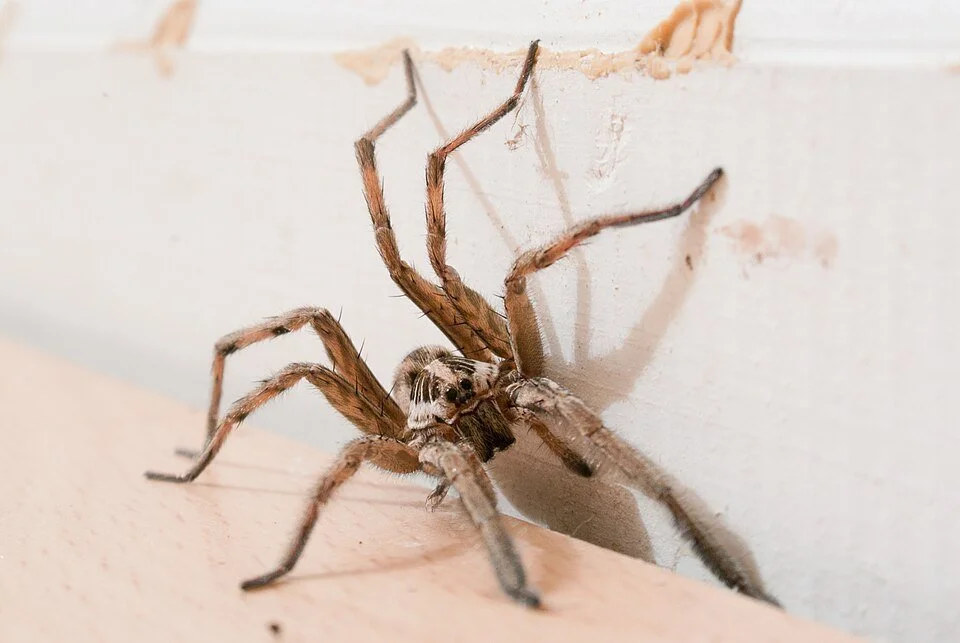
If you’ve lived in a home for any extended period of time, chances are you’ve seen a house spider hanging around. Maybe you’re terrified of them, maybe you’re fascinated by them, or maybe a little bit of both. Either way, house spiders are surprisingly complex and wonderful little critters, and perhaps are even beneficial to us to keep around.
To explore more about these 8-legged roommates, I’ve invited spider enthusiast and YouTube educator Travis McEnery to share some of his vast knowledge about house spider ecology and how they might even benefit us.
Why do some species of spider prefer to live inside homes as opposed to the wild?
“This is a bit hard to say, but I think it's just conditions that happen to be particularly compatible with a spider's ecology. Cellar spiders prefer a particular geometry for their webs, and human structures just happen to provide that geometry… a LOT. Also, the life cycle is important; in some spiders, like many orb weavers, the eggs will not mature and hatch UNLESS they go through a cold cycle like a winter outside.
“For synanthropic [lives near humans] spiders like cellar spiders and giant house spiders, this isn't necessary. So it's sort of a "lucky" combination of factors.”
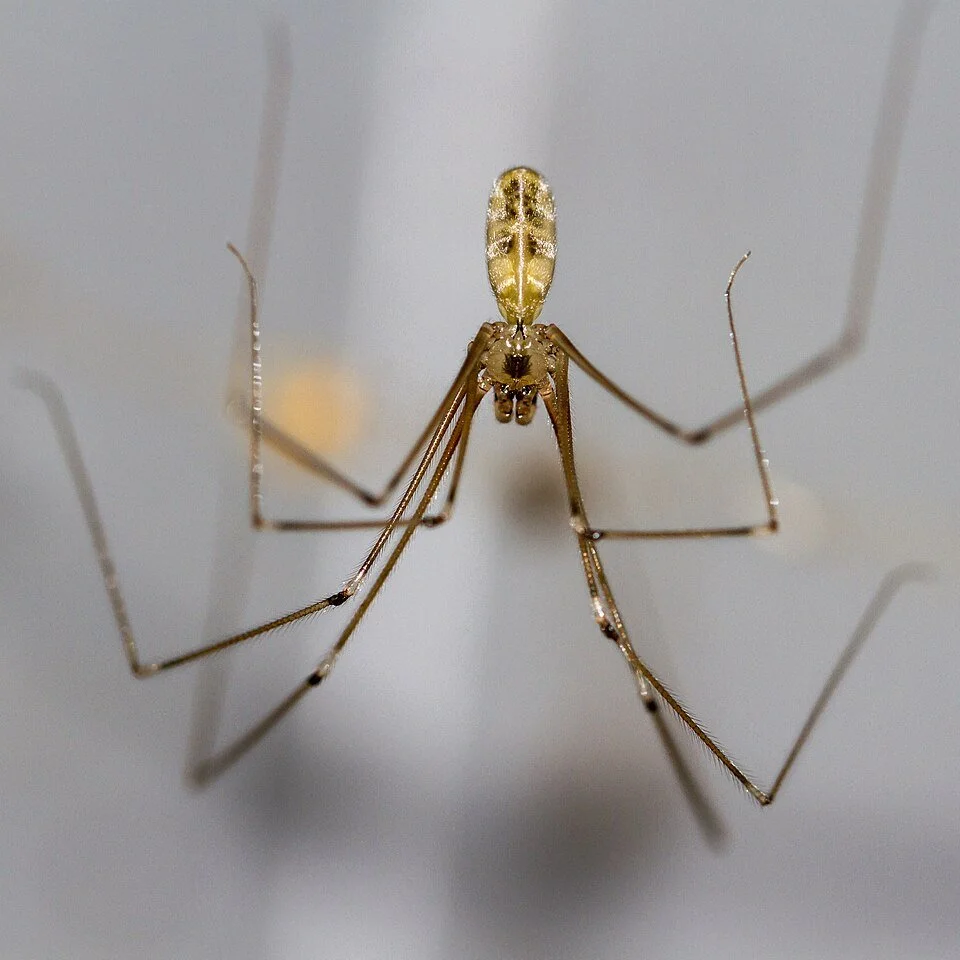
Pholcus by Nikk from Peterborough, UK, CC BY 2.0
Cellar spiders (genus Pholcus) are one of the more common house spider species, and their long-legged, spindly appearance often gives them the nickname “daddy longlegs,” despite not being related to true daddy longlegs (harvestmen), which aren’t spiders at all. They are harmless to humans, and as Travis mentioned, they like the geometry of our homes to live in. They’re not out to get you!
How Effective Are Spiders at Pest Control?
“I don't know if anyone has ever actually gathered solid data on this, to be honest, but I suspect they're quite effective. There was a paper in the 50's about the use of a social spider as a fly control agent in houses in South Africa, which found they were tremendously effective. Anecdotally speaking, when I look under the webs that the cobweb weavers have made in my basement windows, I usually see a lot of prey remains under them. Those spiders are acting as gatekeepers at those windows, which are almost always a point of entry in homes for insects. I suspect not a lot gets past them. (Here's a link to that paper from South Africa).”
It’s quite interesting that not a lot of modern official research has been done on this topic, especially since lots of anecdotal evidence, like how Travis describes, has been seen. Hopefully, as time goes on, we’ll see more research being done on this.
Which species of common North American house spider(s) would potentially be the best pest control species to keep around?
“This really depends on who lives in the house and how tolerant they are of various elements of spider ecology. When I talk about spiders that occur indoors a lot, I often mention the three factors of house spider politeness: webs, movement, and biteyness. If you don't mind some cobwebs in the corners here and there, then cellar spiders are great. Most of the time they stay put in their webs.
“If you don't like cobwebs, but you don't mind being surprised by a fast moving spider that suddenly appears out of nowhere, then Eastern Parson spiders are fantastic. They make no webs, but they're quick and can startle people sometimes.
“Giant house spiders are sort of a mix - females will stay put in their webs, which will usually be in some out-of-the-way corner, but males, especially in the fall, will go for walks looking for those females, so they'll turn up unexpectedly, are very large, and very fast. So they can startle, but they're fairly tidy.
“False widows will make cobwebs, but usually out of sight - under furniture, behind boxes, places like that, and they'll generally stay there, so they won't surprise you.
“None of these are prone to biting people. So it really depends on the person. If you hate cobwebs, then the fast-running ground spiders are best, but if you'd rather put up with the cobweb and know where the spider's gonna be, then cellar spiders and false widows are better.”
How can we do our part to help house spider populations in our every day lives?
“If one were looking to help out the spiders in their own house, the number one killer of house spiders is probably dehydration. I know some people who actually leave little bottle caps or other dishes around with water in them for the spiders. Many spiders will drink from a cotton swab if you soak it in water and hold it out to them. Other than that, being aware of their webs when cleaning, giving them the opportunity to take cover when you're vacuuming, that kind of thing is helpful.
“Also, combating misinformation about spiders is HUGE. Helping people understand them instead of buying into all the fearmongering about them goes a long way.”
I’d like to thank Travis McEnery for providing his very insightful responses. I personally learned a lot more than I expected, and it goes to show that asking questions and being curious about things will leave you with some more knowledge and understanding.
Spiders in general have a fearful reputation among many people, but as we’ve learned today, the ones that reside in our homes mostly just want to mind their own business. If we can learn to spare some grace and understanding to the most humble of creatures, we will be able to handle the confusing challenges of life.
Share your thoughts in the comments!
Featured image by Ivan Radic, CC BY 2.0