
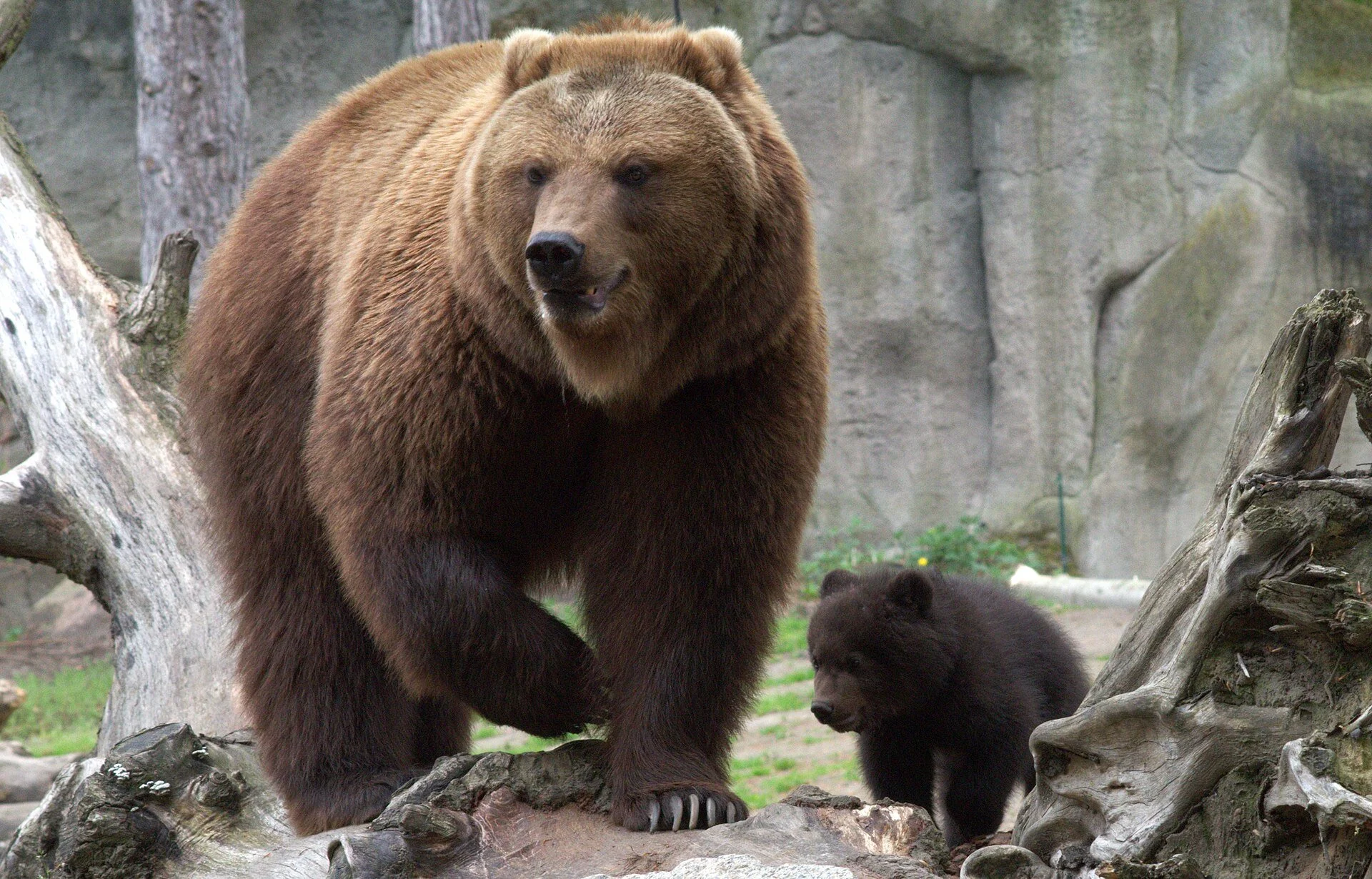
Bears are some of the most recognizable animals across the world. Coming in a variety of shapes and sizes, from sleepy panda bears to colossal polar bears.
Some people think they’re cute and cuddly forest giants; others think they’re the most terrifying beasts on the planet. Of course, like most things in life, reality is usually in between two extremes and nuanced.
Bears are a big part of the ecosystems they inhabit, and today, we’ll be talking about a new scientific article that looks into how bears contribute to the environment and to us, from engineering entire landscapes to being the face of conservation.
Bears are unintentional engineers
This year, a comprehensive scientific review compiled 146 studies detailing the ecosystem services that bears provide, and what they found was that bears (mostly brown and black bears) are extremely proficient at spreading seeds, particularly edible fruit and nut seeds. The bears eat some fruit or nuts, and the indigestible seeds pass through the bears’ digestive system, where they are eventually pooped out in a new, random location, with a fresh piece of fertilizer to boost their growth as well.
Asian black bears can disperse seeds up to 749 meters away from the plant that they ate from. All of this means that if you go on a hike in a place within a bear species’ geographic range and you see a nice edible fruit bush, there’s a real chance that bush was planted by a bear!
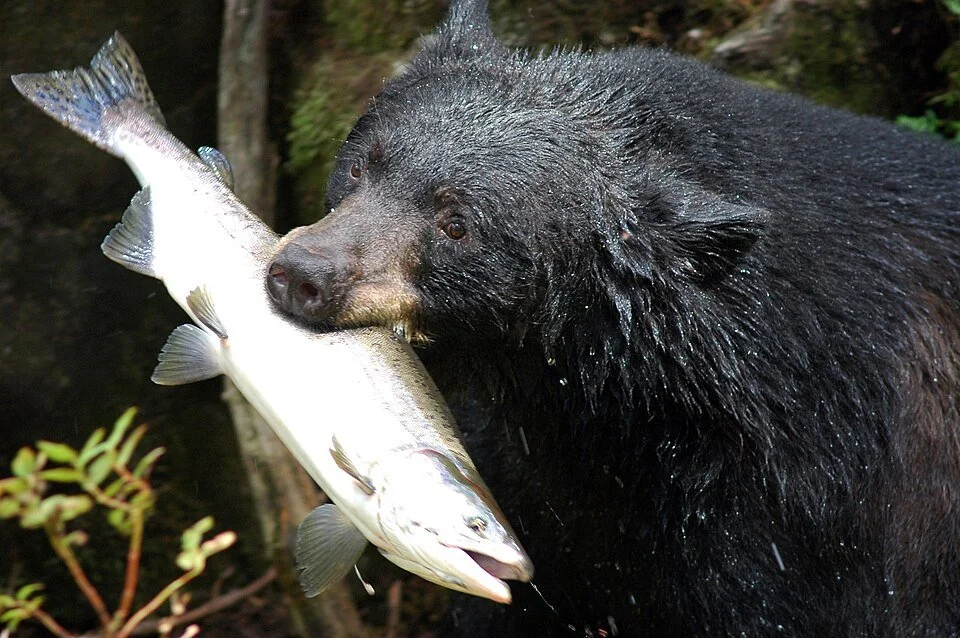
Black bear enjoying a salmon! Bears feeding on migrating salmon allows nutrients from the ocean to be brought onto land.
Image: Public Domain
Some bear species and populations also eat a lot of meat, which means they regulate the populations of their prey. The study details that in some areas of North America and Northern Europe, bears help maintain moose, elk, and reindeer populations.
Also, bears engineer their own ecosystems. By tearing tree bark and foraging, they create small environments that other animals like insects and birds can capitalize on. They even affect soil quality by eating salmon that come from the ocean, which brings new nutrients onto land that would ordinarily be inaccessible to the ecosystem.
How are bears important to us?
The scientific review doesn’t just highlight the ecological impacts of bears, but also the impacts they have on us. For starters, bears influence tourism and recreational outdoor activities. Yellowstone National Park is known for its bear population, and it’s a huge tourist attraction. Bears are also important to hunters across the world, whether it be for meat or recreation.
Perhaps the largest current impact that bears have for us is that they are a flagship animal for conservation. Giant Pandas in particular are the “global emblem of conservation” and one of the most influential animals in the world for endangered species awareness.
Bears for medicine?
Bears can even be helpful for medicinal research. When American black bears go into hibernation, their bone formation isn’t impaired, despite moving their bodies very little for months at a time.
Further research on how bears keep their bones healthy during this sedentary part of their lives could help with research on disuse osteoporosis, the bone condition that affects us humans after a long period of immobilization.
Beware of Bear
In conclusion, bears do a lot more for the world than one might expect at first glance.
Of course, wild animals are still wild animals, and it doesn’t hurt to be aware of the consequences that living around them can have. Bears can attack livestock or damage property, and you definitely don’t want to startle one if you’re on a hiking trip.
By learning about these animals and how to keep ourselves safe, we can also learn to coexist with them.
Let us know what you think in the comments!
Read the full paper here: https://www.sciencedirect.com/science/article/pii/S2212041626000781
Feature image by user “Dinkum”, Wikimedia Commons CC BY 3.0